

More Than Hummus: Lebanese Food, Culture, and Connection
Food and Culture
Written by: Leya Ayoub, UH Intern Fall 2025
“To serve others with a generous heart is the core of Lebanese hospitality, a tradition that people have carried on for centuries.” Food is more than simply nutrition; it is also a symbol of connection, comfort, and culture. Lebanese cuisine, which is a part of the Mediterranean area, is a stunning illustration of how inexpensive, simple ingredients can be used to produce filling, significant meals. In Lebanon, food is more than just fuel for the body. It serves as means of fostering community, sharing, celebration, and mutual care. Authentic, easily accessible ingredients, many of which are pantry staples for us, are used to make dishes like grilled meats, hummus, tabbouleh, mujaddara (lentils and rice), and warm flatbreads.
The Hidden Nutrition in Lebanese Cooking
Typical Lebanese dishes consist of:
- Grains and Legumes, such as rice, chickpeas, and lentils, are excellent sources of plant-based protein and fiber.
- Vegetables and herbs, including tomatoes, parsley, onions, and mint, are vitamin-rich and flavorful.
- Garlic and olive oil are used to enhance flavor and richness without the need for pricey sauces.
- Fermented diary like labneh (tart yogurt) that goes well with a variety of foods such as, warm pita bread or manousheh, grilled meat or kebabs as a cooling, tangy dip.
There are no restrictions or limits with these meals. Rather, they provide a well rounded diet that has been handed down through the centuries, frequently prepared in large quantities and shared with neighbors, relatives, and friends.
Easy, Inexpensive Foods Inspired by Lebanon

Mujaddara is rice and lentils with sauteed onions on top.
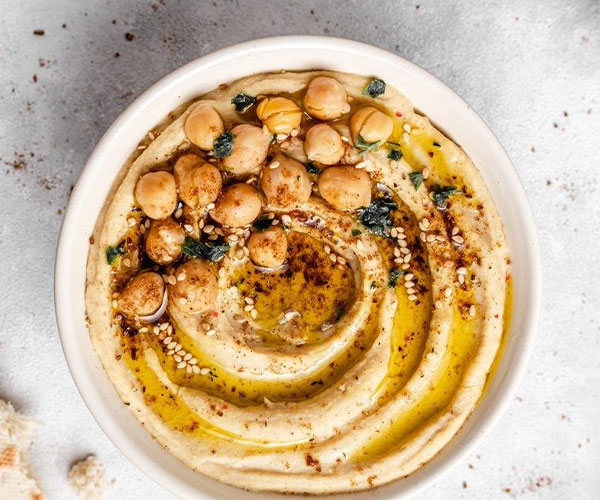
Hummus is store-bought or homemade chickpeas, tahini, and lemon.

Tabbouleh is a parsley salad with bulgur, lemon, and tomatoes.

Pita with za’atar and olive oil is a quick snack or side dish.
Lebanese dishes shine with everyday, budget-friendly ingredients you can grab at any supermarket.
Building on these traditional dishes, Lebanese cuisine exemplifies the Mediterranean diet, a dietary pattern rich in vegetables, legumes, whole grains, olive oil, fresh herbs, and moderate amounts of fish and dairy. This diet reflects the Lebanese approach to food—emphasizing freshness, balance, and communal meals. It also provides numerous health benefits, including improved heart health, better digestion, and weight management. Dishes like hummus, tabbouleh, mujaddara, and pita with za’atar show how plant-based, nutrient-rich foods can be both flavorful and filling, highlighting the harmony between nutrition, culture, and social connection.
Key Takeaways
Food is part of culture, it is okay to eat what’s familiar and meaningful.
Lebanese meals show how plant-based foods can be filling and full of flavors.
Sharing meals supports both physical and emotional well-being.
With budget-friendly ingredients, you can create meals that are both nourishing and full of flavor.