
Các bữa ăn được thiết kế riêng theo chỉ định y tế
Các bữa ăn được thiết kế riêng theo chỉ định y tế
Why Medically Tailored Meals are Important
We know having fresh, healthy, scratch made meals tailored to an individual’s medical condition can make a huge difference on their health. Medically Tailored Meals service at Houston Food Bank does exactly that as well as connecting clients with our Registered Dietitians to provide nutrition education and individualized nutrition counseling to provide well rounded care for our clients to help them meet their health goals.


Who Medically Tailored Meals serves?
Medically Tailored Meals serves people living with serious illnesses who benefit from specifically designed foods for their diagnosis and other complications.
These nutritious meals support health for people living with diabetes, cardiovascular disease, COPD, cancer, and HIV/AIDS as well as limited mobility.
Currently Houston Food Bank serves people living with HIV with a comorbidity of cardiovascular disease and/or diabetes through funding from the Ryan White HIV/AIDS Program.
How does Medically Tailored Meals work?
Clients are referred by a healthcare provider or plan, which also recommends a menu to support specific conditions like diabetes or HIV/AIDS.
Ngân hàng Thực phẩm Houston xác nhận điều kiện đủ tiêu chuẩn và tiến hành đánh giá rủi ro dinh dưỡng.
Một Chuyên gia Dinh dưỡng Đăng ký (RDN) sẽ tiến hành đánh giá dinh dưỡng toàn diện và lập kế hoạch bữa ăn cũng như chăm sóc cá nhân hóa.
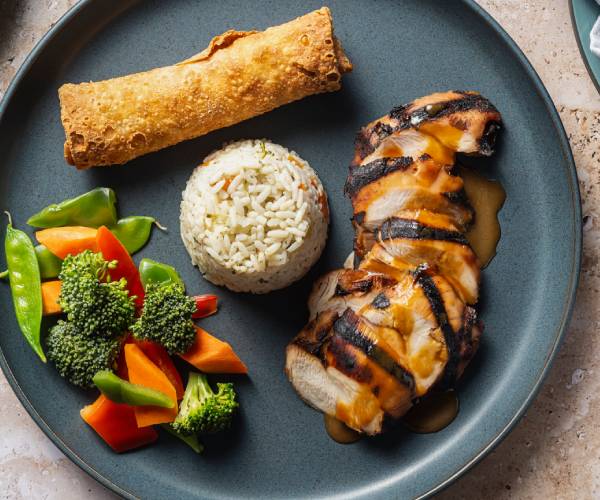
Clients receive a minimum of 10 frozen, nutritionally tailored meals per week, delivered to their home, for at least 6 months. The program includes ongoing nutrition education, counseling, and reassessments to ensure meals continue to meet evolving health needs.
Nguồn
- Berkowitz, S. A., Terranova, J., Hill, C., Ajayi, T., Linsky, T., Tishler, L. W., & DeWalt, D. A. (2019, tháng Sáu 3). Meal delivery programs reduce the use of costly health care in dually eligible Medicare and Medicaid beneficiaries. JAMA Internal Medicine. https://jamanetwork.com/journals/jamainternalmedicine/fullarticle/2730768
- Hager, K., Alcusky, M., Zhang, F. F., Sing, G., Ash, A., Mick, E., Terranova, J., DiBacco, E., Buckler, S., Rich, A., Bowman, J., Folta, S., Prendergast, K., Frank, J., Ball, C., Chiang, J. S., & Mozaffarian, D. (2026). Medically tailored meals receipt and healthcare utilization and costs in Massachusetts’ Medicaid demonstration. Nature Medicine. https://doi.org/10.1038/s41591-026-04407-5
- Palar, K., Napoles, T., Hufstedler, L. L., Seligman, H., Hecht, F. M., Madsen, K., Ryle, M., Pitchford, S., Frongillo, E. A., & Weiser, S. D. (2017, tháng Hai 1). Comprehensive and medically appropriate food support is associated with improved HIV and diabetes health. Journal of Urban Health. https://pubmed.ncbi.nlm.nih.gov/28097614/ “`【2-bf1b9f】
- Gurvey, J., Rand, K., Daugherty, S., Dinger, C., Schmeling, J., & Laverty, N. (2013, tháng Sáu 3). Examining health care costs among MANNA clients and a comparison group. Journal of Primary Care & Community Health. https://pubmed.ncbi.nlm.nih.gov/23799677/


