
Your Body Knows Best!
By Houston Food Bank
July 24, 2026

Your Body Knows Best!
Food and Culture
Written by: Abigail Nguyen, UH Intern Spring 2026
From messages like “don’t eat too much” or “finish everything on your plate,” many of us grow up hearing external rules about eating, even though our bodies already provide helpful signals for when to eat and when to stop. Honor Your Hunger and Feel Your Fullness, from the Principles of Intuitive Eating, help us to connect to and understand those signals. When we learn to listen to our hunger and fullness cues, we can prevent overeating and undereating, reduce food related stress, and make meals feel more satisfying. This approach supports an overall healthier relationship with food and mental and physical wellbeing.
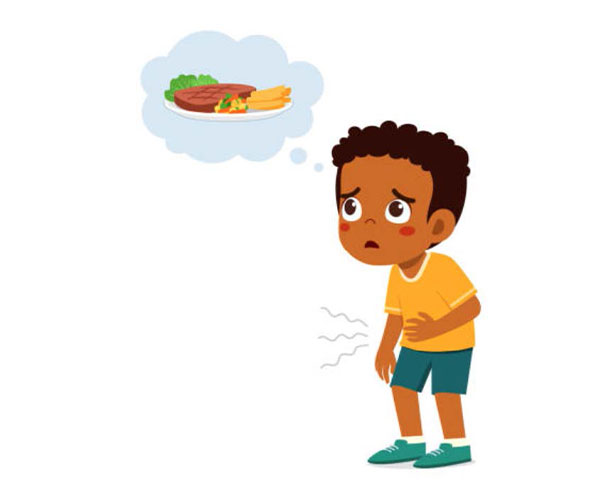



Hunger might show up physically as a growling stomach, fatigue, headache, or an irritable feeling. Or it can show up emotionally, the stomach is quiet but there is a desire for food based on anger or stress, or even driven by external cues like seeing food on the television. Fullness can also be physical or emotional, you may feel satisfaction in your stomach, or you may simply notice that food doesn’t taste as “exciting” as it did the first few bites. Busy schedules, diet rules, stress, or inconsistent access to food can make it harder to stay connected to body signals. Over time the food-brain disconnect may lead to eating past fullness or skipping meals until we feel overly hungry. Instead of focusing on strict rules, the ideas associated with the principles of Honor Your Hunger and Feel Your Fullness encourage curiosity and awareness and remind us that it is always possible to reconnect with our bodies one step at a time!


